
 8824175417
 info@sterispharma.com
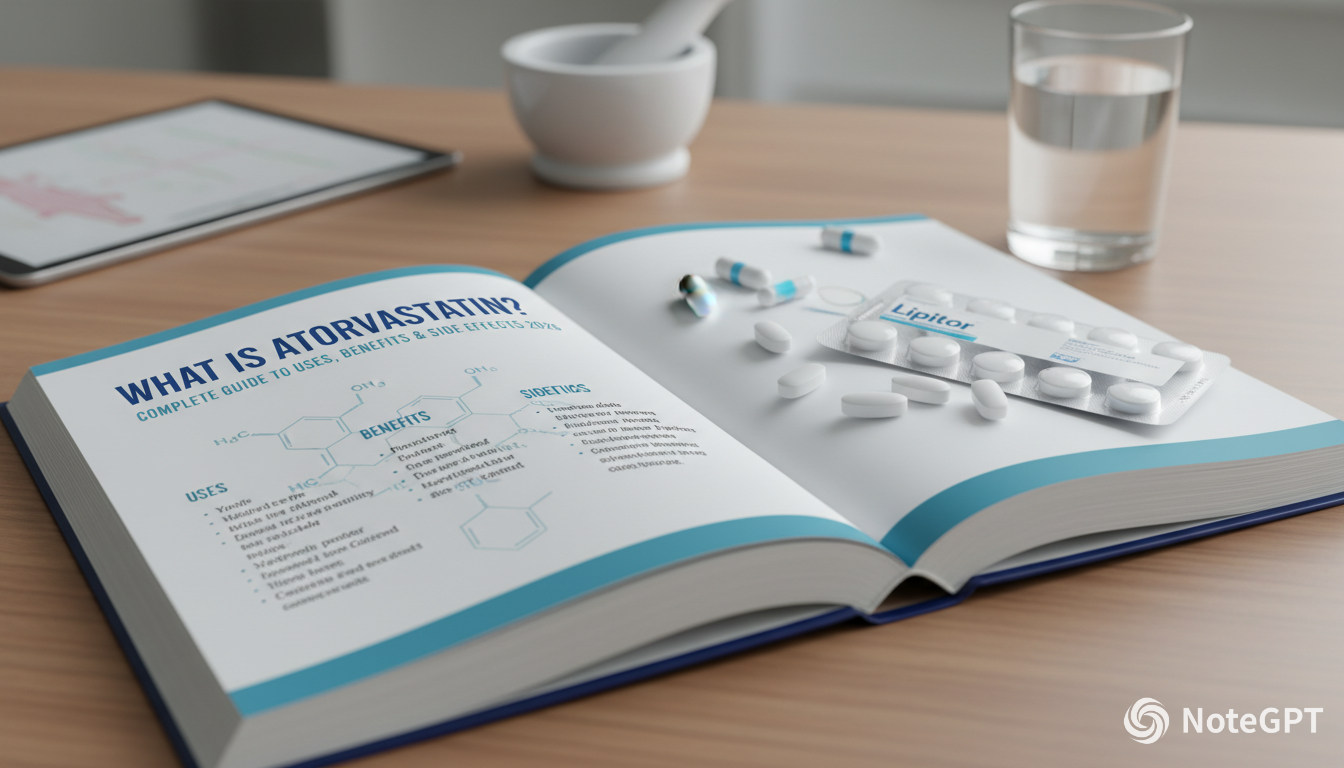
Introduction: Understanding Atorvastatin
If your doctor has recently prescribed atorvastatin or you’re researching cholesterol medications, you’ve come to the right place. Atorvastatin is one of the most widely prescribed medications in the world, helping millions of people manage their cholesterol levels and reduce their risk of heart disease, heart attacks, and strokes.
This comprehensive guide covers everything you need to know about atorvastatin in 2026, from how it works to its benefits, potential side effects, proper usage, and answers to the most common questions patients ask. Whether you’re considering starting this medication or have been taking it for years, understanding atorvastatin empowers you to make informed decisions about your heart health.
Important Note: This article is for educational purposes only and should not replace professional medical advice. Always consult your healthcare provider before starting, stopping, or changing any medication.
What Is Atorvastatin?
Atorvastatin is a prescription medication belonging to a class of drugs called statins (HMG-CoA reductase inhibitors). It works by lowering cholesterol levels in your blood, specifically reducing “bad” LDL cholesterol and triglycerides while modestly increasing “good” HDL cholesterol.
Brand Names and Availability
Brand Name: Lipitor (original brand) Generic Name: Atorvastatin calcium Drug Class: Statin (cholesterol-lowering medication) FDA Approval: First approved in 1996 Availability: Available as generic since 2011
Atorvastatin is available in various strengths: 10mg, 20mg, 40mg, and 80mg tablets. The generic version has made this life-saving medication much more affordable and accessible to patients worldwide.
How Does Atorvastatin Work?
Understanding how atorvastatin works helps you appreciate why it’s so effective for heart health.
The Mechanism: Your liver produces cholesterol naturally, which your body needs for various functions. However, excess cholesterol can build up in your arteries, forming plaques that narrow blood vessels and increase heart attack and stroke risk.
Atorvastatin works by blocking an enzyme called HMG-CoA reductase in your liver. This enzyme is responsible for making cholesterol. By inhibiting this enzyme, atorvastatin:
- Reduces cholesterol production in the liver by 30-50%
- Forces the liver to remove cholesterol from the bloodstream
- Decreases LDL (“bad”) cholesterol by 39-60%
- Lowers triglycerides by 19-37%
- Modestly increases HDL (“good”) cholesterol by 5-9%
- Stabilizes existing plaques in arteries
- Reduces inflammation in blood vessel walls
Unlike some medications that work immediately, atorvastatin needs to be taken daily to maintain its cholesterol-lowering effects. It typically takes 2-4 weeks to see significant changes in cholesterol levels, with maximum benefits occurring after 4-6 weeks of consistent use.
Primary Uses of Atorvastatin
1. High Cholesterol (Hyperlipidemia)
The most common reason doctors prescribe atorvastatin is to lower elevated cholesterol levels. It’s particularly effective for:
- High LDL cholesterol (above 100 mg/dL for high-risk patients, above 130 mg/dL for others)
- High total cholesterol (above 200 mg/dL)
- High triglycerides (above 150 mg/dL)
- Low HDL cholesterol (below 40 mg/dL for men, below 50 mg/dL for women)
2. Heart Disease Prevention (Primary Prevention)
Atorvastatin is prescribed to prevent heart disease in people who have risk factors but haven’t yet had a heart attack or stroke. Risk factors include:
- Family history of early heart disease
- Type 2 diabetes
- High blood pressure
- Smoking
- Obesity
- Age (men over 45, women over 55)
- Metabolic syndrome
3. Cardiovascular Disease Management (Secondary Prevention)
For people who already have cardiovascular disease, atorvastatin significantly reduces the risk of:
- Second heart attack
- Stroke or mini-stroke (TIA)
- Need for heart surgery or stenting
- Chest pain (angina)
- Cardiovascular death
Studies show atorvastatin reduces cardiovascular events by 25-35% in high-risk patients.
4. Specific Conditions
Familial Hypercholesterolemia: Genetic condition causing extremely high cholesterol from birth. Atorvastatin is essential for these patients, often starting in childhood.
Type 2 Diabetes: People with diabetes have a higher risk of heart disease. Current guidelines recommend statins for most diabetic patients over 40, regardless of cholesterol levels.
Chronic Kidney Disease: Kidney disease increases heart disease risk. Atorvastatin is commonly prescribed to protect both heart and kidney function.
Post-Heart Attack or Stroke: High-dose atorvastatin (40-80mg) is standard treatment after cardiovascular events to prevent recurrence.
Proven Benefits of Atorvastatin
1. Dramatic Cholesterol Reduction
Clinical studies consistently show atorvastatin’s effectiveness:
- LDL cholesterol reduction: 39-60% depending on dose
- Total cholesterol reduction: 29-45%
- Triglyceride reduction: 19-37%
- HDL cholesterol increase: 5-9%
These changes typically appear within 2-4 weeks and are maintained with continued use.
2. Heart Attack Prevention
Research demonstrates atorvastatin reduces heart attack risk by:
- 36% reduction in first heart attack (primary prevention)
- 25-30% reduction in recurrent heart attacks (secondary prevention)
For every 1,000 people taking atorvastatin for 5 years, approximately 25-40 heart attacks are prevented.
3. Stroke Prevention
Atorvastatin significantly reduces stroke risk:
- 27% reduction in overall stroke risk
- 31% reduction in ischemic strokes (most common type)
- 48% reduction in recurrent strokes
This benefit extends to both major strokes and transient ischemic attacks (TIAs or “mini-strokes”).
4. Reduced Need for Procedures
By preventing plaque buildup and stabilizing existing plaques, atorvastatin reduces the need for:
- Coronary artery bypass surgery
- Angioplasty and stenting
- Emergency cardiac procedures
Studies show a 37% reduction in revascularization procedures among atorvastatin users.
5. Plaque Stabilization
Beyond lowering cholesterol, atorvastatin helps stabilize existing arterial plaques, making them less likely to rupture and cause heart attacks or strokes. This “pleiotropic effect” provides benefits beyond simple cholesterol reduction.
6. Anti-Inflammatory Effects
Atorvastatin reduces inflammation in blood vessel walls, measured by decreased C-reactive protein (CRP) levels. This anti-inflammatory action contributes to cardiovascular protection independent of cholesterol lowering.
7. Improved Endothelial Function
The endothelium (inner lining of blood vessels) functions better with atorvastatin treatment, improving blood flow and reducing blood clot formation risk.
8. Longevity Benefits
Multiple long-term studies show that atorvastatin therapy extends life expectancy in high-risk patients. The absolute benefit increases with:
- Higher baseline cardiovascular risk
- Longer duration of treatment
- Better medication adherence
Dosage Information
Available Strengths
Atorvastatin comes in four strengths:
- 10 mg (starting dose for most patients)
- 20 mg (moderate-intensity therapy)
- 40 mg (high-intensity therapy)
- 80 mg (maximum dose for very high-risk patients)
Typical Dosing Guidelines
Starting Dose: Most patients begin with 10-20mg once daily. Your doctor determines the starting dose based on:
- Current cholesterol levels
- Cardiovascular risk factors
- Target cholesterol goals
- Other medical conditions
Dose Adjustments: Your doctor may increase your dose if:
- Cholesterol levels don’t reach target after 4-6 weeks
- You have very high cardiovascular risk
- You’ve had a heart attack or stroke
High-Intensity Therapy: Patients with established cardiovascular disease typically receive 40-80mg daily for maximum cholesterol reduction and cardiovascular protection.
When to Take Atorvastatin
Timing Flexibility: Unlike some statins, atorvastatin can be taken at any time of day, with or without food, because:
- It has a long half-life (14 hours)
- Food doesn’t significantly affect absorption
- Cholesterol production occurs throughout the day and night
Most Common Recommendation: Many doctors suggest taking atorvastatin in the evening, though morning administration is equally effective. The most important factor is consistency—taking it at the same time each day.
With or Without Food: You can take atorvastatin with or without meals. Some patients prefer taking it with dinner to establish a routine.
Side Effects: What You Need to Know
While atorvastatin is generally well-tolerated, like all medications, it can cause side effects. Understanding these helps you recognize problems early and communicate effectively with your healthcare provider.
Common Side Effects (Affect 1-10% of Patients)
1. Muscle Pain or Weakness (Myalgia)
- Most common complaint (5-10% of patients)
- Usually mild and temporary
- Typically occurs in large muscle groups (thighs, shoulders, back)
- Often improves after first few weeks
What to Do:
- Report persistent muscle pain to your doctor
- CoQ10 supplements may help (discuss with doctor first)
- Dose reduction or switching statins may be necessary
2. Digestive Issues
- Nausea or upset stomach (2-3%)
- Diarrhea or constipation (1-2%)
- Abdominal pain or cramping (1%)
- Gas or bloating (1%)
What to Do:
- Take with food if stomach upset occurs
- Stay hydrated
- Most GI symptoms improve within 2-4 weeks
- Contact doctor if symptoms persist or worsen
3. Headache
- Occurs in about 2-3% of patients
- Usually mild and temporary
- Often resolves within first month
What to Do:
- Over-the-counter pain relievers usually sufficient
- Maintain hydration
- Contact doctor if severe or persistent
4. Fatigue or Weakness
- Some patients report feeling more tired (1-2%)
- May be temporary as body adjusts
- Could be related to muscle effects
What to Do:
- Ensure adequate sleep
- Report persistent fatigue to doctor
- May warrant CoQ10 supplementation
5. Joint Pain
- Mild joint discomfort in some patients (1%)
- Usually temporary
Serious Side Effects (Rare but Important)
1. Rhabdomyolysis (Severe Muscle Breakdown)
- Frequency: Very rare (0.1% or less)
- Symptoms: Severe muscle pain, weakness, dark urine, fever
- Risk Factors: High doses, kidney disease, certain drug interactions
- Action Required: EMERGENCY – Stop medication immediately and seek medical attention
2. Liver Problems
- Frequency: Rare (1-2% show elevated liver enzymes)
- Symptoms: Unusual fatigue, loss of appetite, dark urine, yellowing of skin/eyes
- Monitoring: Liver function tests before starting and periodically during treatment
- Action Required: Report symptoms immediately
3. Type 2 Diabetes (New Onset)
- Frequency: Small increased risk (1-2 extra cases per 1,000 patients treated for 5 years)
- Who’s at Risk: People with prediabetes, metabolic syndrome, obesity
- Important Note: Cardiovascular benefits far outweigh this small diabetes risk
- Monitoring: Regular blood sugar checks for high-risk patients
4. Memory Problems or Confusion
- Frequency: Rare and controversial
- Symptoms: Short-term memory loss, confusion
- Evidence: Mixed; most large studies show no significant cognitive impairment
- Action Required: Report to doctor; may resolve with discontinuation
5. Allergic Reactions
- Frequency: Very rare
- Symptoms: Rash, itching, swelling, difficulty breathing
- Action Required: EMERGENCY – Seek immediate medical attention
Who Should NOT Take Atorvastatin
Atorvastatin is contraindicated (should not be used) in:
- Pregnancy and Breastfeeding
- Can harm fetal development
- Women of childbearing age should use reliable contraception
- Stop immediately if pregnancy occurs
- Active Liver Disease
- Including unexplained persistent elevated liver enzymes
- Requires liver function testing before starting
- Known Hypersensitivity
- Previous allergic reaction to atorvastatin or any ingredient
- Severe Kidney Disease
- May require dose adjustment or alternative medications
Drug Interactions and Precautions
Critical Drug Interactions
1. Grapefruit Juice
- Why: Inhibits enzyme that breaks down atorvastatin
- Effect: Can increase blood levels up to 260%
- Risk: Higher side effect risk, especially muscle problems
- Recommendation: Avoid grapefruit and grapefruit juice completely
2. Other Cholesterol Medications
- Fibrates (gemfibrozil, fenofibrate): Increased muscle damage risk
- Niacin (high doses): May increase side effects
- Ezetimibe: Generally safe to combine
3. Certain Antibiotics and Antifungals
- Clarithromycin, erythromycin
- Itraconazole, ketoconazole
- Can increase atorvastatin levels significantly
4. HIV Medications
- Protease inhibitors dramatically increase atorvastatin levels
- Dose adjustment or alternative statin may be necessary
5. Immunosuppressants
- Cyclosporine: Significant interaction
- Requires dose limitation
6. Heart Rhythm Medications
- Amiodarone: Increases bleeding risk when combined with warfarin and atorvastatin
Lifestyle Considerations
Alcohol:
- Moderate alcohol consumption (1-2 drinks daily) generally acceptable
- Excessive alcohol increases liver damage risk
- Discuss your alcohol consumption with your doctor
Exercise:
- Regular exercise is encouraged and beneficial
- Report unusual muscle pain, especially after starting new exercise programs
- CoQ10 supplementation may help exercise-related muscle discomfort
Diet:
- Heart-healthy diet enhances atorvastatin’s benefits
- No specific dietary restrictions (except grapefruit)
- Consider Mediterranean-style eating pattern
Monitoring and Follow-Up
Before Starting Atorvastatin
Your doctor should check:
- Lipid panel (total cholesterol, LDL, HDL, triglycerides)
- Liver function tests (ALT, AST)
- Kidney function (creatinine, eGFR)
- Thyroid function (if symptoms present)
- Diabetes screening (fasting glucose or HbA1c)
During Treatment
First Follow-Up (4-12 weeks):
- Lipid panel to assess effectiveness
- Liver function tests
- Assess for side effects
- Dose adjustment if needed
Ongoing Monitoring:
- Lipid panel every 3-6 months initially, then annually
- Liver function tests periodically (frequency debated; less often with stable patients)
- Report any new symptoms promptly
What You Should Monitor:
- Muscle pain or weakness
- Unusual fatigue
- Dark-colored urine
- Yellowing of skin or eyes
- New memory problems
- Any concerning symptoms
Maximizing Benefits and Minimizing Risks
Tips for Success
1. Take Consistently
- Same time each day
- Don’t skip doses
- Use pill organizers or phone reminders
- Maintain routine even when traveling
2. Lifestyle Synergy
- Diet: Mediterranean diet, low saturated fat
- Exercise: 150 minutes weekly moderate activity
- Weight management: Even 5-10% weight loss helps
- Quit smoking: Multiplies atorvastatin’s benefits
- Stress management: Reduces cardiovascular risk
3. Supplement Wisely
- CoQ10 (100-200mg daily): May reduce muscle symptoms
- Vitamin D: Optimize levels (discuss with doctor)
- Omega-3 fatty acids: Complementary heart benefits
- Always inform doctor of all supplements
4. Medication Adherence
- Don’t stop without consulting doctor
- If side effects occur, discuss alternatives rather than quitting
- Understand that benefits require continuous use
- Use pharmacy refill reminders
5. Regular Communication
- Keep all follow-up appointments
- Report side effects promptly
- Ask questions about concerns
- Bring medication list to all appointments
Cost Considerations
Generic Atorvastatin Pricing (Approximate):
- 10mg: $10-30 per month
- 20mg: $15-40 per month
- 40mg: $20-50 per month
- 80mg: $25-60 per month
Cost-Saving Strategies:
- Request generic version
- Use pharmacy discount programs (GoodRx, SingleCare)
- Ask about 90-day supplies (often cheaper per pill)
- Check insurance formulary for lowest copay
- Consider patient assistance programs if uninsured
- Compare prices across different pharmacies
Brand-Name Lipitor: Significantly more expensive ($100-300+ per month) without providing additional benefit over generic. Insurance may not cover brand when generic is available.
The Bottom Line: Is Atorvastatin Right for You?
Atorvastatin is one of the most studied and effective medications for lowering cholesterol and preventing cardiovascular disease. For millions of people worldwide, it’s a life-saving medication that:
✅ Reduces heart attack risk by 25-36% ✅ Lowers stroke risk by 27-31% ✅ Decreases LDL cholesterol by 39-60% ✅ Is generally well-tolerated with manageable side effects ✅ Is affordable as a generic medication ✅ Has decades of safety data
You May Benefit from Atorvastatin If:
- Your LDL cholesterol is above target
- You have multiple cardiovascular risk factors
- You have diabetes and are over 40
- You’ve had a heart attack or stroke
- You have family history of early heart disease
- Your doctor recommends it based on cardiovascular risk
Key Success Factors:
- Take consistently as prescribed
- Combine with heart-healthy lifestyle
- Attend regular follow-ups
- Communicate openly about side effects
- Don’t stop without medical guidance
Conclusion: Taking Control of Your Heart Health
Atorvastatin represents one of modern medicine’s most important advances in preventing heart disease and stroke. While no medication is perfect, the evidence overwhelmingly supports atorvastatin’s benefits in reducing cardiovascular risk.
If your doctor has prescribed atorvastatin, you’re taking an important step toward protecting your heart and extending your life. Combined with healthy lifestyle choices—nutritious eating, regular exercise, weight management, and smoking cessation—atorvastatin can help you achieve optimal cardiovascular health.
Remember that medication management is a partnership with your healthcare team. Stay informed, communicate openly, attend follow-up appointments, and never hesitate to ask questions about your treatment.
Your heart health is worth the investment in daily medication and healthy lifestyle choices. With atorvastatin and commitment to wellness, you’re building a foundation for a longer, healthier life.
Frequently Asked Questions
Q: How long does it take for atorvastatin to work? A: You may see cholesterol reductions within 2 weeks, with maximum effect at 4-6 weeks. However, cardiovascular benefits accumulate over months and years of consistent use.
Q: Can I stop taking atorvastatin once my cholesterol is normal? A: No. Atorvastatin controls but doesn’t cure high cholesterol. Stopping the medication typically causes cholesterol to return to previous high levels within weeks to months. Continue taking as prescribed.
Q: Will I have to take atorvastatin forever? A: Most patients require long-term treatment. However, significant lifestyle changes (major weight loss, dietary overhaul) may allow dose reduction or, rarely, discontinuation under medical supervision.
Q: Does atorvastatin cause weight gain? A: No direct weight gain from atorvastatin. Some patients may experience slight weight changes, but this isn’t a consistent side effect. Focus on healthy lifestyle habits.
Q: Can I drink alcohol while taking atorvastatin? A: Moderate alcohol (1-2 drinks daily) is generally acceptable. Excessive alcohol increases liver damage risk and should be avoided.
Q: Is generic atorvastatin as effective as brand-name Lipitor? A: Yes. Generic atorvastatin is bioequivalent to Lipitor, meaning it works identically at the same doses. Generics are FDA-approved and much more affordable.
Q: What if I miss a dose? A: Take it as soon as you remember. If it’s almost time for your next dose, skip the missed dose—never double up. One missed dose won’t significantly impact your treatment.
Q: Can I take atorvastatin with other medications? A: Many medications are safe with atorvastatin, but some interact significantly. Always inform all healthcare providers of your complete medication list.
Q: Will atorvastatin affect my exercise or athletic performance? A: Most people exercise normally on atorvastatin. Some athletes report muscle symptoms, but these are usually manageable. CoQ10 supplementation may help.
Q: Should I take CoQ10 with atorvastatin? A: While not officially required, many doctors recommend CoQ10 (100-200mg daily) to reduce muscle-related side effects. Discuss with your healthcare provider.
If You Need More Information Click Here

Leave a Reply